If you're dealing with back pain, exploring non-invasive treatment options could be your best bet. Physical therapy, chiropractic care, and acupuncture each offer unique benefits that can help you regain mobility and reduce discomfort. These methods prioritize your well-being without the risks associated with surgery or medication. But which one might be right for you? Understanding how each treatment works and what to expect can make all the difference in your journey toward relief. Let's break down these options to find the approach that suits your needs best.
Physical Therapy
Physical therapy is often a cornerstone in managing back pain effectively. When you're dealing with discomfort, a licensed physical therapist can create a personalized plan tailored to your specific needs. This plan typically includes a combination of exercises, manual therapy, and education aimed at improving your mobility and strength.
During your sessions, you can expect to perform targeted exercises that focus on strengthening your core, improving flexibility, and enhancing your overall posture. These exercises not only help alleviate pain but also prevent future injuries by addressing the underlying issues that contribute to your back pain. Your therapist will guide you through each movement, guaranteeing you're using the correct form to maximize benefits and minimize risk.
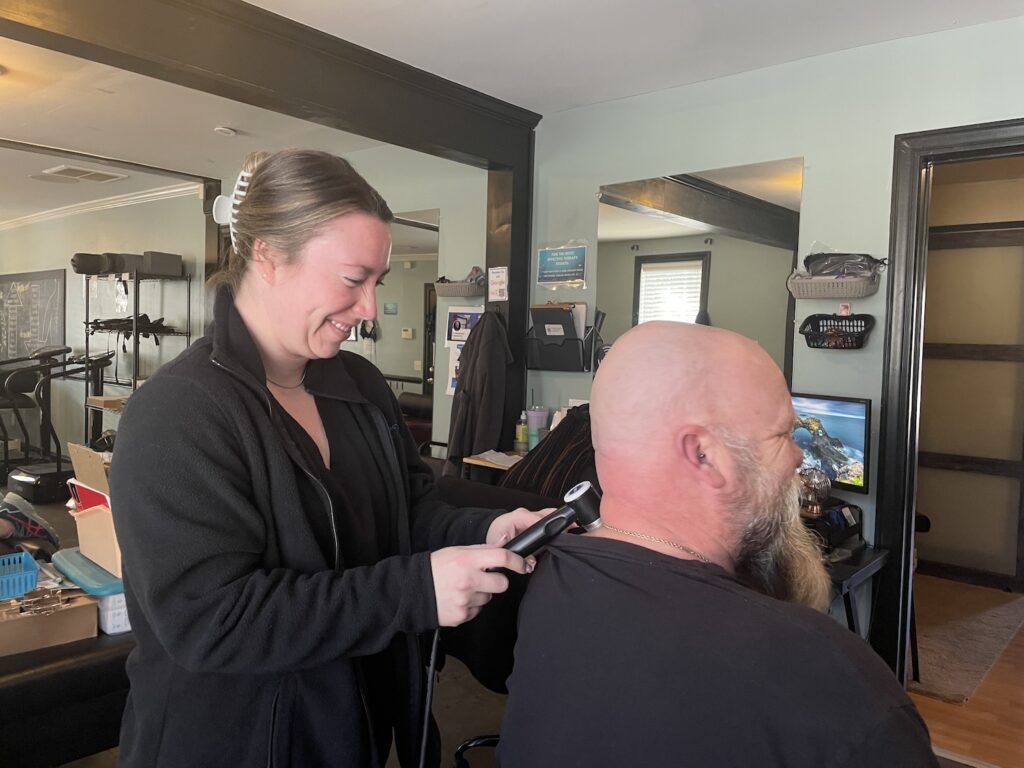
Manual therapy techniques, such as massage or joint mobilization, may also be part of your treatment plan. These hands-on approaches can help reduce muscle tension and improve circulation, leading to more effective pain relief.
Plus, your therapist will educate you on proper body mechanics and ergonomics, so you can make smarter choices in your daily activities.
As you progress, your physical therapist will re-evaluate your condition and adjust your treatment plan as necessary. This ongoing assessment guarantees you stay on the right path to recovery.
Chiropractic Care
Chiropractic care offers a hands-on approach to alleviating back pain through spinal manipulation and adjustments. By focusing on the relationship between your spine and nervous system, chiropractors aim to restore proper alignment, which can lead to pain relief and improved function.
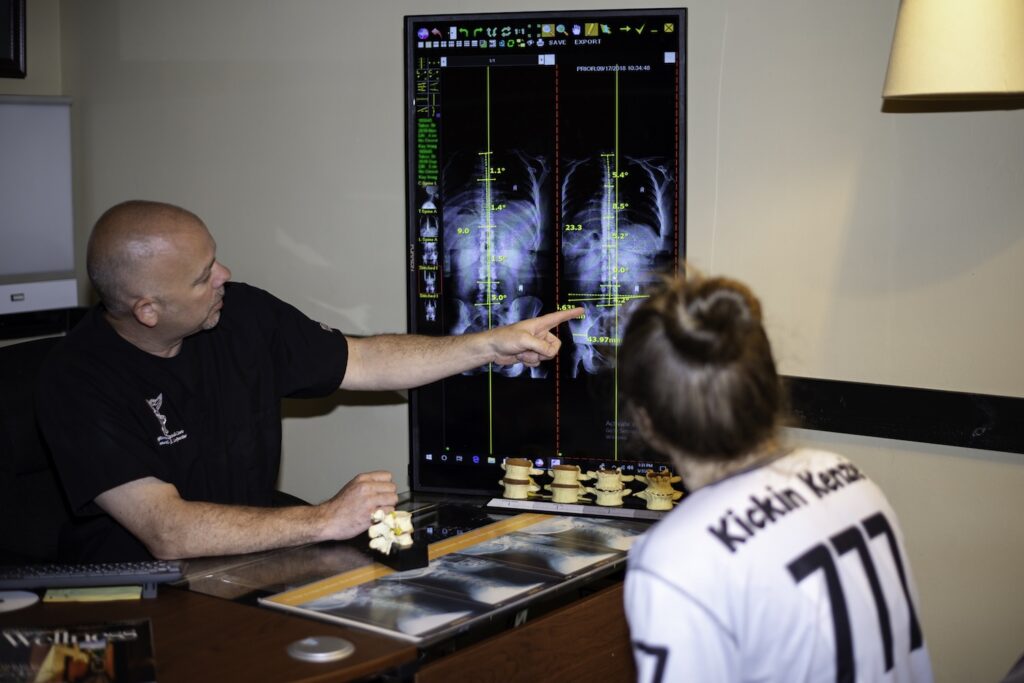
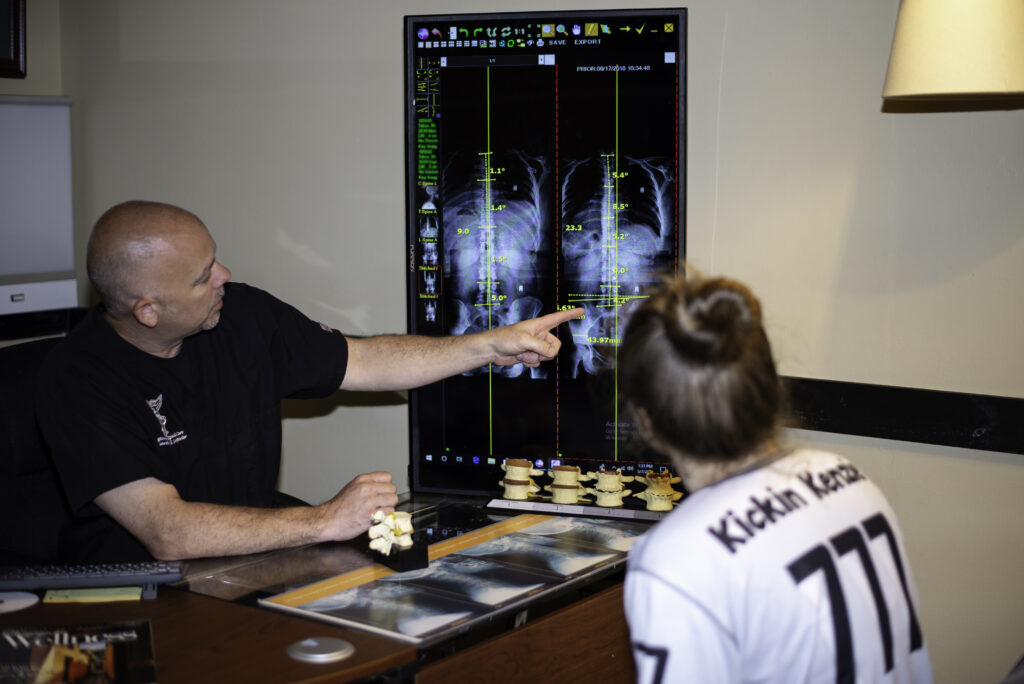
When you visit a chiropractor, they'll assess your condition through physical examinations and may use diagnostic imaging to identify underlying issues. Once they've pinpointed the source of your discomfort, the chiropractor will create a personalized treatment plan tailored to your needs.
Spinal adjustments are a core component, as they help to realign your vertebrae and reduce tension in the surrounding muscles. This process not only alleviates pain but can also enhance your body's overall mobility and flexibility.
Many patients report feeling immediate relief after their first adjustment, while others may require multiple visits to achieve long-lasting results. It's crucial to communicate openly with your chiropractor about your pain levels and any changes you experience during treatment.
In addition to spinal manipulation, chiropractors often incorporate complementary therapies, such as massage or exercise recommendations, to enhance your recovery. By taking an active role in your treatment and following their advice, you can maximize the benefits of chiropractic care.
Acupuncture
If you're exploring non-invasive options for back pain relief, acupuncture might be an effective alternative to contemplate. This ancient practice involves inserting thin needles into specific points on your body, aiming to balance energy flow and promote healing. Many people find that acupuncture not only alleviates pain but also enhances overall well-being.
Here are four key benefits of acupuncture for back pain:
- Pain Reduction: Studies have shown that acupuncture can considerably reduce chronic back pain and improve mobility. It works by stimulating the release of endorphins, your body's natural painkillers.
- Improved Blood Flow: The needle insertion promotes better blood circulation in the affected areas. Enhanced blood flow helps deliver essential nutrients and oxygen, which can expedite recovery.
- Reduced Muscle Tension: Acupuncture helps relax tight muscles, relieving tension that may be contributing to your pain. This relaxation effect can lead to greater flexibility and comfort in your daily activities.
- Holistic Approach: Unlike medications that often target symptoms, acupuncture treats the underlying issues contributing to your back pain. This holistic method can address stress, anxiety, and other factors that may exacerbate your condition.
If you're considering trying acupuncture, consult a licensed practitioner to discuss your specific needs.
This non-invasive treatment could be the key to releasing relief from your back pain and improving your quality of life.
Conclusion
To sum up, if you're struggling with back pain, consider trying physical therapy, chiropractic care, or acupuncture. Each of these non-invasive treatments offers unique benefits, helping you strengthen your body, alleviate discomfort, and promote healing. By actively participating in your recovery, you can improve your quality of life and regain your mobility. Don't let back pain hold you back—explore these options and find the right solution for your needs!