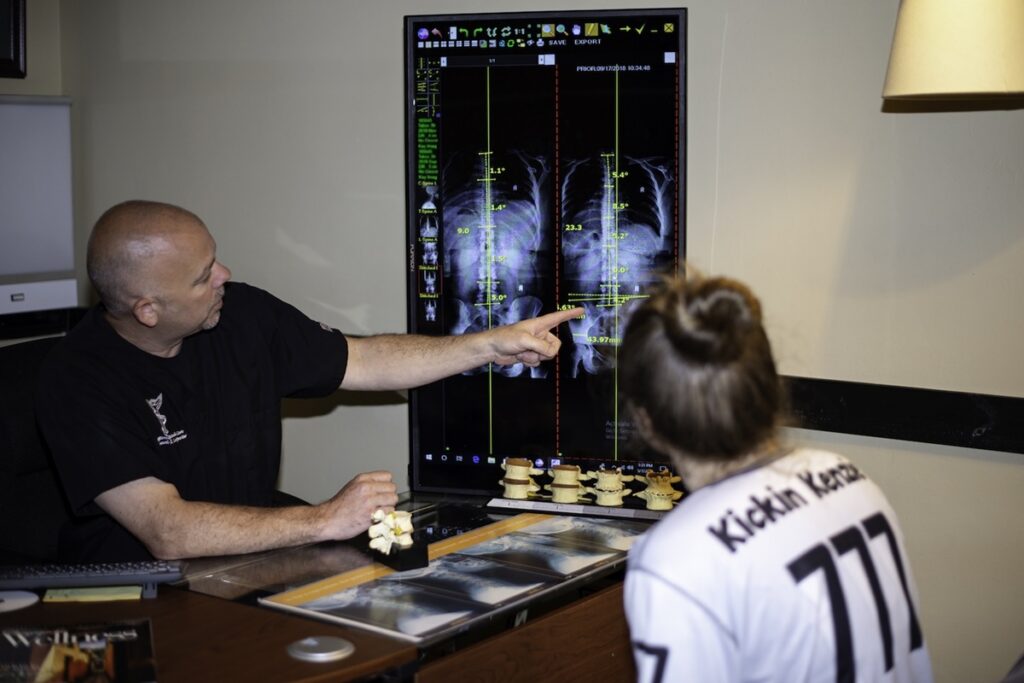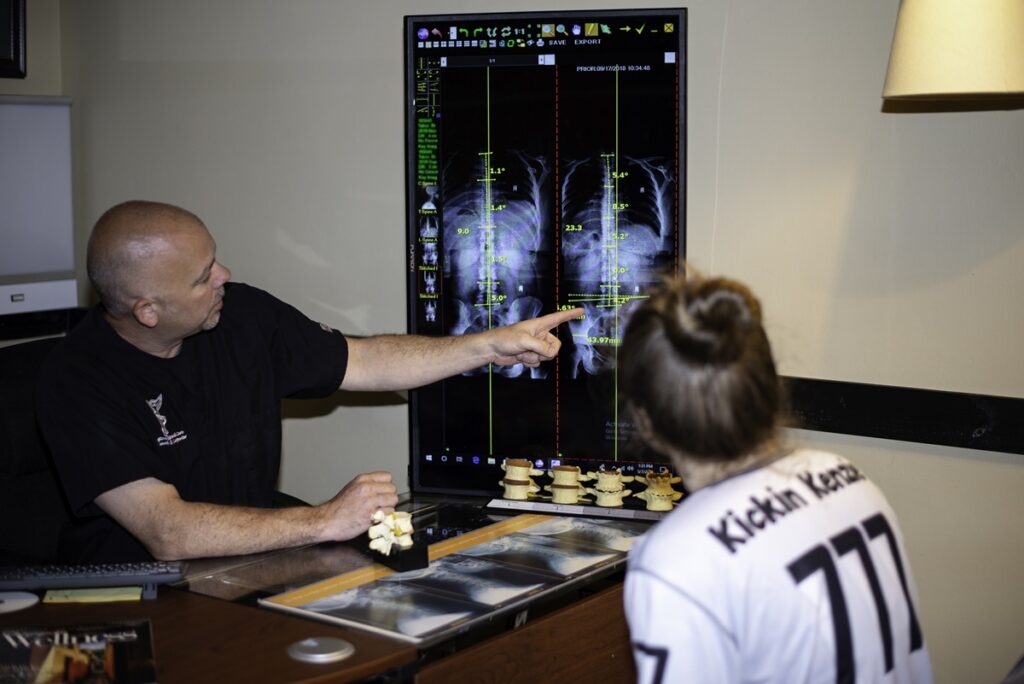
As a local chiropractor dedicated to helping you recover from sports injuries, it's important to understand how effective recovery techniques can truly make a difference. When you experience a sports injury, I highly recommend considering methods like the R.I.C.E. approach—Rest, Ice, Compression, and Elevation—as well as the advantages of active recovery.
In addition to these techniques, integrating proper nutrition and hydration is essential for healing, as they play a vital role in your body's recovery process. Managing pain through natural methods, such as chiropractic adjustments and rehabilitative exercises, can further enhance your healing journey.
By familiarizing yourself with these best practices tailored to your unique situation, you can significantly improve your recovery time. If you're curious about which specific methods might work best for you, let's discuss the top techniques that can help you get back in the game more effectively. Your path to recovery starts with understanding your body and how natural healing can support you.
R.I.C.E. Method
As a local chiropractor, I want to share an important method that can play a crucial role in your recovery from sports injuries—the R.I.C.E. method: Rest, Ice, Compression, and Elevation. This approach isn't just a set of recommendations; it's a time-tested strategy that can help you heal more effectively and alleviate pain.
First and foremost, it's vital to allow your body the rest it requires. Avoid putting any weight on the injured area and steer clear of activities that might exacerbate the injury. This rest period is critical for your body to initiate its natural healing processes.
Next, let's talk about the importance of ice. Applying ice to the injured area helps reduce swelling and numbs the pain. I recommend using an ice pack or a bag of frozen vegetables wrapped in a towel to protect your skin. For optimal results, aim to ice the area for 15-20 minutes every hour, especially during the first 48 hours after the injury occurs.
Incorporating compression into your care routine is also beneficial. By using an elastic bandage to wrap the injured area snugly—without cutting off circulation—you can minimize swelling and provide added support. This can significantly ease discomfort as you recover.
Lastly, remember to elevate the injured area above the level of your heart. Elevation is a simple yet effective way to reduce swelling and enhance blood circulation, which is essential for healing. Use pillows or cushions to keep the injury elevated, particularly while you rest or sleep.
Physical Therapy
While the R.I.C.E. method provides a great start for your recovery, incorporating chiropractic care can significantly enhance your rehabilitation journey. After the initial phase of your injury has passed, consulting with a chiropractor who specializes in musculoskeletal issues is a crucial next step.
They'll evaluate your specific condition, pinpoint areas of weakness, and create a personalized treatment plan aimed at restoring your strength, flexibility, and overall function.
During chiropractic sessions, you can expect a variety of techniques focused on improving your range of motion and rebuilding strength. Your chiropractor may use hands-on adjustments to alleviate pain, improve alignment, and enhance circulation in the affected areas.
They'll also guide you through movements that are relevant to your daily activities or sports, ensuring your body is well-prepared for the physical demands you face.
A vital aspect of chiropractic care is education. Your chiropractor will inform you about your injury and teach you effective techniques to prevent future issues.
They'll also provide you with personalized exercises to practice at home, empowering you to take an active role in your healing process. This not only accelerates recovery but also equips you with tools to avoid similar injuries down the line.
Staying committed to your chiropractic sessions and following your prescribed home exercise program is essential. Consistency is key to achieving optimal results.
Active Recovery
As a local chiropractor dedicated to your recovery, I want to emphasize the importance of not only chiropractic care but also the incorporation of active recovery techniques into your healing journey.
Chiropractic adjustments can provide a strong foundation for your recovery, but adding these gentle, low-intensity exercises can significantly enhance your healing process.
Active recovery is all about engaging in activities that promote blood flow, flexibility, and overall wellness without putting excessive strain on any injured areas. By including these techniques in your routine, you can support your body's natural healing capabilities while staying active.
Here are four effective active recovery techniques that I encourage you to consider:
- Gentle Stretching: Light stretching exercises are essential for maintaining flexibility and range of motion. Focus on areas surrounding your injury to help prevent stiffness and boost circulation, which is vital for healing.
- Walking: A simple yet effective way to keep your muscles engaged is by taking leisurely walks. This activity promotes circulation and can elevate your mood, making it an excellent choice for active recovery.
- Swimming or Water Aerobics: The buoyancy of water reduces stress on your joints while providing resistance. These activities help maintain cardiovascular fitness and strength without aggravating your injury, allowing you to stay active while you heal.
- Yoga or Pilates: Both of these practices focus on flexibility, core strength, and relaxation. They can be easily adapted to accommodate your injury, enabling you to maintain a workout routine that supports your healing process.
By integrating these active recovery techniques with your chiropractic care, you can maximize your healing potential and promote overall well-being.
Nutrition and Hydration
As a local chiropractor dedicated to your healing journey, I want to emphasize the critical importance of nutrition and hydration in recovery from injuries. Your body requires the right fuel to heal effectively, and the foods and drinks you choose can significantly affect the speed and success of your recovery.
Incorporating a balanced diet into your daily routine is essential. Focus on consuming lean proteins, whole grains, healthy fats, and an abundance of fruits and vegetables. These foods are packed with vital vitamins and minerals that your body needs to repair tissues and manage inflammation.
Protein is especially crucial; it aids in rebuilding muscles and tissues that may have been compromised by your injury. Good sources include chicken, fish, beans, and nuts, which can be easily integrated into your meals. Carbohydrates are also important, as they help replenish your energy stores. So, don't hesitate to enjoy whole grains like brown rice and quinoa.
Hydration is just as vital to your recovery process. Water plays a key role in transporting nutrients to your cells and flushing out waste, while also keeping your joints lubricated. Make it a habit to drink water regularly throughout the day, not just when you feel thirsty. If you've been sweating or are involved in physical therapy, consider consuming electrolyte-rich beverages to restore what your body has lost.
Moreover, it's important to be mindful of your portion sizes and to tune in to your body's hunger signals. Eating smaller, more frequent meals can help sustain your energy levels and support your recovery.
Pain Management Techniques
As a local chiropractor, I understand that managing pain effectively is a vital component of your recovery journey, especially after a sports injury. Pain can significantly impede your progress and make it challenging to return to your favorite activities.
Here are some natural pain management techniques that I recommend to help you navigate this difficult phase:
- Ice Therapy: One of the first steps I suggest is to apply ice packs to the injured area. This can significantly reduce swelling and provide relief from sharp pain. Aim to use ice for 15-20 minutes every few hours during the initial days after your injury.
- Over-the-Counter Pain Relievers: Non-steroidal anti-inflammatory drugs (NSAIDs), such as ibuprofen or naproxen, can be effective for alleviating pain and diminishing inflammation. However, I encourage you to always follow the dosage instructions on the label or consult with me for tailored advice that aligns with your specific needs.
- Heat Therapy: Once the swelling has subsided (typically after the first 48 hours), applying heat can be beneficial for improving circulation and relaxing tight muscles. Just like with ice, keep your heat exposure to 15-20 minutes at a time to avoid any potential burns.
- Chiropractic Care: Engaging with chiropractic treatment can greatly enhance your recovery. Through targeted adjustments and therapies, I can help manage your pain effectively while ensuring that you're not overexerting yourself. My goal is to support your body's natural healing processes.
By incorporating these techniques into your recovery routine, you may notice a significant reduction in pain and an improvement in your overall healing.
Stretching and Flexibility
As a local chiropractor, I want to emphasize the vital role that stretching and flexibility play in your recovery from sports injuries. When you prioritize stretching, you help restore your range of motion, which is crucial for getting back to your favorite activities. Tight muscles can lead to pain and discomfort, so establishing a regular stretching routine can significantly ease your recovery process.
I recommend starting with gentle stretches to promote blood flow to the injured area. This increased circulation is essential for healing, as it delivers important nutrients while helping to flush out toxins. Dynamic stretches are particularly helpful, as they warm up your muscles and prepare them for movement. Consider incorporating exercises like leg swings, arm circles, and gentle torso twists into your routine.
Once your injury has stabilized, static stretching becomes increasingly important. Aim to hold each stretch for about 15 to 30 seconds, focusing on the muscle groups that may have tightened during your injury. This practice not only improves your flexibility but also helps reduce muscle tension, which can enhance your overall mobility.
Listening to your body during this process is crucial. If you feel pain, it's important to ease off and modify the stretch. Consistency is key, so try to make stretching a part of your daily routine.
Strength Training
As a local chiropractor, I want to emphasize the importance of incorporating strength training into your recovery plan after a sports injury. Many patients may not realize how beneficial strength training can be for healing and regaining function. It not only helps rebuild lost muscle but also enhances joint stability and improves overall athletic performance. By focusing on specific exercises designed to address your injury, you can regain both strength and confidence.
Here are four key benefits of strength training during your recovery that I'd like you to consider:
- Rebuild Muscle Mass: Following an injury, it's common to experience muscle atrophy, where the muscles weaken and shrink. Engaging in strength training is essential for rebuilding that lost muscle mass, ensuring you return to your pre-injury strength levels.
- Enhance Joint Stability: Strength training targets the muscles surrounding your joints, providing them with better support and stability. This can significantly reduce the risk of re-injury, allowing you to move more freely and safely.
- Improve Range of Motion: Controlled strength exercises can also aid in improving your range of motion. This is crucial for performing everyday tasks and getting back to your favorite sports activities without restrictions.
- Boost Confidence: As you progress in your strength training and see improvements in your capabilities, your confidence will naturally grow. This psychological boost is vital for overcoming the fear of re-injury, enabling you to perform at your best.
I encourage you to gradually incorporate strength training into your routine, always prioritizing proper form and technique. It's essential to consult with a healthcare professional or a certified trainer to ensure your strength training program is safe, effective, and tailored to your specific recovery needs.
Massage Therapy
As a local chiropractor, I want to share the incredible benefits of massage therapy, especially for those of you recovering from sports injuries.
Incorporating massage into your recovery plan can significantly alleviate pain, enhance circulation, and foster relaxation, all of which are essential for healing.
By familiarizing yourself with these techniques, you can make empowered decisions about your health and recovery journey.
Benefits of Massage Therapy
As a local chiropractor, I want to share the important role that massage therapy can play in your recovery from sports injuries. Many of my patients are unfamiliar with how chiropractic care and natural healing methods can work together, so let me highlight the benefits of incorporating massage into your recovery plan.
- Enhanced Blood Circulation: Massage therapy encourages better blood flow, which is crucial for delivering vital nutrients and oxygen to your injured tissues. This can significantly expedite your healing process.
- Relief from Muscle Tightness: If you've experienced an injury, you might've tightness in the surrounding muscles. Massage helps to relax these muscles, alleviating pain and improving your mobility, making it easier to regain your strength.
- Natural Pain Management: One of the wonderful aspects of massage is its ability to stimulate the release of endorphins—your body's natural pain relievers. This means you can find relief without resorting to medication, fostering a more holistic approach to healing.
- Improved Flexibility: Regular massage sessions can help enhance your flexibility and range of motion. This is particularly important as you work to return to your sport or physical activity, ensuring that you can do so without limitations or discomfort.
Incorporating massage therapy into your recovery plan can support your journey toward better health and wellness.
As always, I'm here to help guide you through the various options available to you in chiropractic care and natural healing.
Techniques Used in Recovery
As a local chiropractor, I want to help you understand the various techniques that can aid in your recovery process. Chiropractic care incorporates several methods, each designed to address specific needs and promote natural healing.
One common technique is spinal manipulation, which aligns the spine to improve function and alleviate pain. This method can enhance nerve function, improve circulation, and reduce tension throughout the body.
If you're experiencing deeper discomfort or musculoskeletal issues, we may also utilize soft tissue therapy. This approach targets the underlying muscles and connective tissues, helping to release chronic tension and improve overall mobility.
For those with active lifestyles, sports chiropractic care is essential. This specialized treatment focuses on preventing and treating injuries, enhancing flexibility, and optimizing performance. Techniques such as active release technique (ART) can specifically address muscle knots and tension that may be hindering your athletic performance.
Another valuable technique is myofascial release, which involves gentle stretching of the fascia—the connective tissue surrounding muscles. This method can significantly improve mobility and reduce pain, making it a great complement to chiropractic adjustments.
Ultimately, choosing the right chiropractic technique can greatly enhance your recovery journey, allowing you to return to your daily activities or sports more effectively and efficiently. If you have any questions about these techniques or how they can benefit you, feel free to reach out!
Cold and Heat Therapy
As your local chiropractor, I want to share some valuable insights on how cold and heat therapy can support your recovery from sports injuries. Many people are unfamiliar with the benefits of these natural healing methods, so let me break it down for you.
Cold therapy is an excellent first line of defense when managing swelling and pain. By applying cold packs to the injured area, you can effectively numb the pain and reduce inflammation, allowing your body to start the healing process.
On the other hand, once the initial swelling has subsided, heat therapy can be incredibly beneficial. Applying heat increases blood flow to the area, which helps to relax tight muscles and promote healing. It's a wonderful way to alleviate stiffness and discomfort.
I encourage you to familiarize yourself with the best application techniques for both cold and heat therapy. Understanding when and how to use these methods can significantly enhance your healing journey and get you back to your activities sooner.
If you have any questions or need guidance on how to incorporate these therapies into your recovery plan, don't hesitate to reach out!
Benefits of Cold Therapy
As a local chiropractor, I often see the incredible benefits of cold therapy for sports injury recovery. I believe it's essential for all my patients, especially those new to chiropractic care and natural healing, to understand its advantages.
Applying cold to injured areas can be an effective way to manage pain and swelling, helping you get back to your favorite activities more quickly. Let me share four key benefits of cold therapy that I encourage you to consider:
- Reduces Inflammation: When you apply cold to an injury, it helps constrict blood vessels, which decreases swelling. This process is crucial for promoting faster healing and minimizing discomfort.
- Alleviates Pain: Cold therapy has a numbing effect that can significantly lower pain sensations. This makes it much easier for you to perform your rehabilitation exercises, which are vital for recovery.
- Prevents Further Injury: After intense workouts or if you've sustained an injury, using cold therapy can limit tissue damage and help prevent the development of chronic issues down the line.
- Enhances Recovery: Integrating cold therapy into your recovery routine can accelerate the healing process, allowing you to return to your training and competitions sooner.
Incorporating cold therapy into your healing regimen can truly be transformative. Whether you're dealing with a sprain, strain, or general soreness, this natural technique can help you recover effectively and maintain your performance.
As your chiropractor, I'm here to guide you in using cold therapy alongside other natural healing methods to support your overall well-being.
Advantages of Heat Therapy
As a local chiropractor, I want to share the incredible benefits of heat therapy for your recovery from sports injuries. Many people may not realize how effective heat can be, especially when used alongside cold therapy.
When you apply heat to an injured area, it enhances blood circulation, allowing vital nutrients and oxygen to reach your tissues more efficiently. This increased blood flow can significantly expedite the healing process, making heat therapy especially helpful for muscle strains or stiffness.
Heat therapy is also excellent for relaxing tight muscles and easing discomfort. This relaxation can lead to improved flexibility and range of motion, which means you can return to your favorite activities more quickly.
Additionally, if you're dealing with chronic injuries like arthritis, heat can provide much-needed relief from pain.
Another key advantage of heat therapy is its ability to break down scar tissue, which is essential for maintaining mobility and flexibility after an injury.
Whether you choose a warm towel, a heating pad, or a soothing hot bath, incorporating heat therapy into your recovery routine can be a proactive step toward healing.
As your chiropractor, I encourage you to consider these natural methods to support your body's recovery process.
Best Application Techniques
As your local chiropractor, I want to help you understand how to effectively use cold and heat therapy to enhance your recovery from sports injuries. Knowing when and how to apply these methods is crucial for maximizing their benefits. Here are some techniques I recommend:
- Cold Therapy Timing: It's best to use cold therapy within the first 48 hours after an injury. This approach can significantly help reduce swelling and numb any pain you might be experiencing. I suggest applying a cold pack for about 15-20 minutes at a time, several times throughout the day.
- Heat Therapy Timing: After the initial inflammation has decreased, typically around 48 hours post-injury, you can start using heat therapy. This can help relax your muscles and improve blood circulation in the area. A warm towel or heating pad applied for 15-20 minutes can be very effective.
- Layering Techniques: Always remember to wrap your ice or heat packs in a cloth. This simple step protects your skin and helps prevent frostbite or burns, ensuring a more comfortable experience while you heal.
- Listen to Your Body: Your body is your best guide. Pay close attention to how you feel when using these therapies. If you start to experience increased pain or discomfort, stop what you're doing and reassess your method. It's important to find what works best for you.
Mindfulness and Visualization
As a local chiropractor, I want to share the significant benefits of incorporating mindfulness and visualization techniques into your recovery routine. These practices can greatly enhance your healing process and are fundamental to achieving optimal health. By focusing your mind, reducing stress, and cultivating a positive mindset, you can support your body during the recovery journey.
Mindfulness encourages you to stay present and attuned to your body's sensations. This heightened awareness allows you to identify areas that may need extra care, helping you avoid overexertion and recognizing when you may be pushing yourself too hard. It's about listening to your body and responding accordingly, which is crucial in the healing process.
Visualization complements this by enabling you to mentally picture your injury healing and envision your body functioning at its best. This technique can boost your motivation and foster a sense of control over your recovery. To practice visualization, find a quiet space, close your eyes, and imagine yourself engaging in your favorite activities, performing each movement with ease and strength. Picture your muscles healing and your body regaining its vitality.
When you combine mindfulness and visualization, you create a powerful synergy that enhances your mental well-being and builds resilience. As you visualize your recovery, practicing mindfulness helps keep your thoughts grounded and focused, which can significantly influence your physical healing.
I encourage you to set aside time each day for mindfulness and visualization exercises. Even dedicating just a few minutes can make a remarkable difference in your recovery. By actively engaging in your mental healing, you'll find yourself better equipped to tackle the physical challenges that arise during recovery.
Embrace these techniques, and watch how they can transform your journey toward better health and wellness. If you have any questions or need guidance on getting started, please feel free to reach out during your next visit.
Conclusion
As a local chiropractor, I want to share with you ten effective techniques for recovering from sports injuries that can truly enhance your healing journey. One of the foundational methods I recommend is the R.I.C.E. technique—Rest, Ice, Compression, and Elevation. This approach is crucial in the initial stages of injury recovery.
Nutrition plays a vital role in healing as well; consuming a balanced diet rich in anti-inflammatory foods can support your recovery process. Additionally, engaging in active recovery—gentle movements tailored to your condition—can promote circulation and aid in the healing of injured tissues.
Pain management is key, and chiropractic care can help alleviate discomfort through various methods, including adjustments and soft tissue therapy. Strength training, when done correctly, helps rebuild muscle strength and stability around the injured area, preventing future injuries.
Don't overlook therapies like massage, which can also aid in recovery by reducing tension and improving blood flow. Moreover, staying mindful and practicing visualization techniques can positively influence your mental state and bolster your physical recovery.
I encourage you to remain committed to your recovery plan, listen to your body's signals, and seek guidance from professionals like myself. With dedication and the right techniques, you'll return to your sport not just healed but even stronger than before!