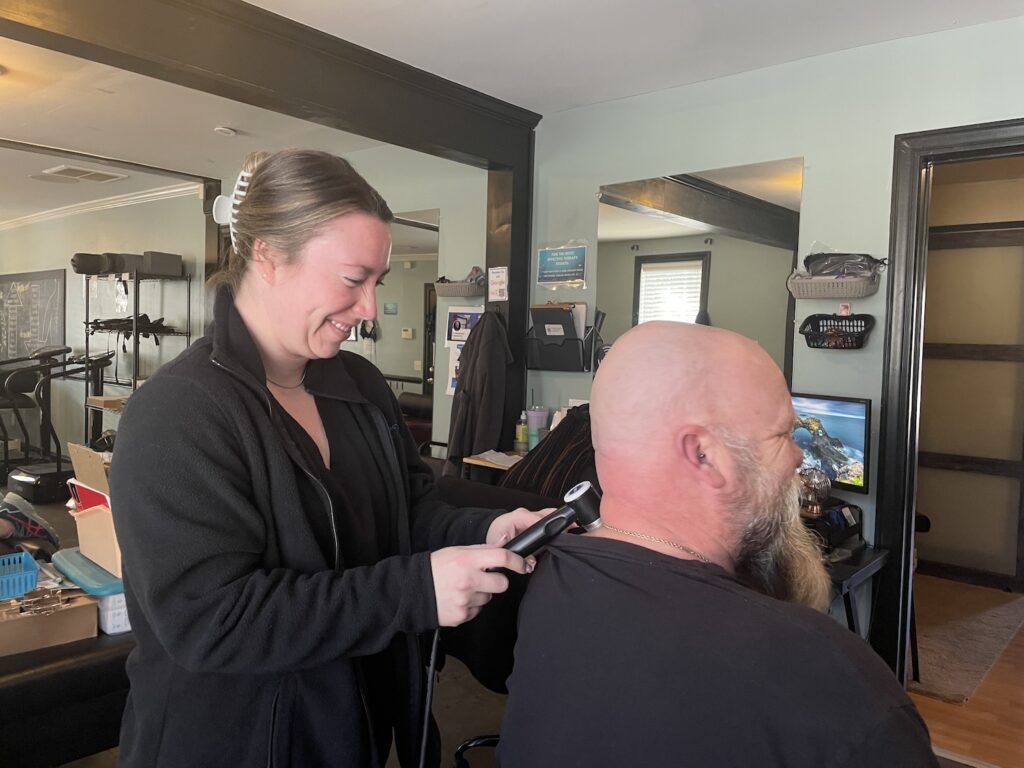
If you're feeling overwhelmed by stress, you're not alone. Many people seek effective ways to unwind and restore their balance. Have you ever considered how simple techniques like deep breathing or mindfulness might transform your day? Natural relaxation secrets can offer profound benefits, but it's not just about finding a quiet moment. There are multiple approaches, each with unique advantages that can fit seamlessly into your routine. Let's explore these strategies and uncover which ones might resonate with you the most.
Deep Breathing Techniques
Deep breathing techniques are some of the simplest yet most effective ways to combat stress. When you feel overwhelmed, taking a moment to focus on your breath can create a significant shift in your emotional state. You don't need special equipment or a lot of time—just find a quiet space and get comfortable.
Start by sitting or lying down in a relaxed position. Close your eyes, if you'd like, and take a deep breath in through your nose. As you inhale, allow your abdomen to expand fully. Hold that breath for a count of four, letting the air fill your lungs. Then, slowly exhale through your mouth, releasing any tension you feel.
Repeat this process for several minutes, and notice how your body begins to relax.
You can also try the 4-7-8 technique, which can be particularly helpful in calming your mind. Inhale for a count of four, hold your breath for seven counts, and then exhale for eight counts. This method not only slows down your breathing but also promotes a sense of calm.
Whenever you feel stress creeping in, remember that you have this powerful tool at your fingertips. Whether you're at work, home, or on the go, deep breathing techniques can be your go-to strategy for regaining your composure and clarity.
Mindfulness Meditation
Mindfulness meditation can transform how you handle stress by helping you stay present in the moment.
You'll discover various techniques that make it easy to incorporate mindfulness into your daily routine.
Let's explore the benefits of mindfulness meditation and how you can get started today.
Benefits of Mindfulness Meditation
Engaging in mindfulness meditation can greatly enhance your overall well-being by reducing stress and promoting emotional balance. This practice helps you cultivate awareness of the present moment, allowing you to respond to life's challenges with greater clarity and calmness.
Here are some key benefits you can expect:
- Decreased Anxiety: Mindfulness meditation helps lower anxiety levels, making you feel more at ease in daily situations.
- Improved Focus: By training your mind to concentrate on the present, you'll notice an enhancement in your attention span and cognitive abilities.
- Enhanced Emotional Regulation: Regular practice allows you to observe your thoughts and feelings without immediate judgment, fostering healthier emotional responses.
- Better Sleep Quality: Mindfulness can help quiet racing thoughts, making it easier to drift off to sleep and enjoy restorative rest.
Incorporating mindfulness meditation into your routine can lead to a more peaceful mindset and improved overall health.
Techniques for Practicing Mindfulness
Practicing mindfulness doesn't have to be complicated. Start by finding a quiet spot where you can sit comfortably. Close your eyes and take a few deep breaths, letting go of tension. Focus on your breath; notice how it feels as you inhale and exhale. If your mind wanders, gently bring your attention back to your breathing.
You can also try body scans. Starting from your toes, mentally check in with each part of your body, observing any sensations. This technique helps you connect with your physical self and lets you release any built-up stress.
Another effective technique is mindful walking. Go for a walk, paying attention to each step. Feel the ground beneath your feet, notice the rhythm of your pace, and be aware of the sights and sounds around you.
Lastly, incorporate mindfulness into daily activities. Whether you're washing dishes or eating, bring your full attention to the task. Savor each moment, and notice how it shifts your experience.
Aromatherapy Benefits
Aromatherapy can be a powerful tool in your stress-reduction toolkit.
By exploring essential oils and their unique benefits, you'll discover how different scents can promote relaxation.
You'll also learn effective diffusion techniques to enhance your experience and create a calming atmosphere.
Essential Oils Overview
Many people find solace in the soothing scents of essential oils, which have been used for centuries to promote relaxation and well-being.
These concentrated plant extracts can have a profound impact on your mood and stress levels. By incorporating essential oils into your daily routine, you can create a calming atmosphere that enhances mindfulness and tranquility.
Here are four popular essential oils that can help you unwind:
- Lavender: Known for its calming properties, lavender can help reduce anxiety and improve sleep quality.
- Chamomile: Often associated with relaxation, chamomile can soothe your mind and body, making it perfect for winding down.
- Bergamot: This citrusy oil can uplift your spirits while calming your nerves, helping to balance mood swings.
- Ylang Ylang: With its sweet floral scent, ylang ylang can lower blood pressure and reduce feelings of stress.
Incorporating these oils into your life can provide a natural means of elevating your mood and finding peace amidst chaos.
Experiment with different scents to discover which ones resonate with you the most. Your journey to relaxation starts with these delightful aromas!
Diffusion Techniques Explained
Diffusing essential oils is a popular way to harness the therapeutic benefits of aromatherapy in your home. There are several techniques you can use to effectively diffuse essential oils and create a calming atmosphere.
One common method is the use of an electric diffuser. These devices disperse essential oils into the air using heat or ultrasonic vibrations, making it easy to enjoy the aroma throughout your space.
Simply add water and a few drops of your chosen oil, turn it on, and let the soothing scents envelop you.
Another technique is the use of a candle diffuser. This method involves placing essential oils in a small bowl above a lit candle. The heat from the candle gently warms the oils, releasing their fragrance.
Just be cautious about the flame and never leave it unattended.
You can also opt for a reed diffuser, which uses natural reeds to absorb the oil and disperse the scent. This technique is low-maintenance and can provide a continuous, subtle aroma.
Whichever method you choose, diffusing essential oils can enhance your mood and help create a relaxing environment.
Relaxation Through Scent
When you inhale the soothing scents of essential oils, you're not just enjoying a pleasant aroma; you're also tapping into a powerful tool for relaxation.
Aromatherapy benefits go beyond just fragrance; they influence your mood, reduce stress, and promote overall well-being.
Here are four essential oils you might want to try for relaxation:
- Lavender: Known for its calming properties, lavender can help reduce anxiety and improve sleep quality, making it perfect for winding down.
- Bergamot: This citrus oil not only uplifts your spirit but also reduces feelings of stress and tension. It's great for a revitalizing boost during the day.
- Chamomile: Often used in tea, chamomile's sweet scent promotes tranquility and helps ease feelings of unease, perfect for evening relaxation.
- Sandalwood: With its rich, warm aroma, sandalwood is excellent for grounding your thoughts, making it easier to meditate or unwind after a long day.
Incorporating these scents into your daily routine can greatly enhance your relaxation experience.
Nature Walks
Stepping into nature for a walk can instantly lift your mood and reduce stress. It's one of the simplest ways to reconnect with yourself and the world around you. When you lace up your shoes and head outdoors, you allow the sights and sounds of nature to envelop you, creating a soothing atmosphere that helps clear your mind.
As you walk, pay attention to your surroundings. Notice the vibrant colors of the leaves, the gentle rustle of the wind, and the cheerful songs of birds. These natural elements can ground you, bringing your focus back to the present moment. Studies show that being in nature lowers cortisol levels, the hormone associated with stress, allowing you to feel more relaxed.
Try to choose a route that inspires you, whether it's a forest trail, a beachside path, or a quiet park. The fresh air invigorates your senses, while the rhythm of your footsteps can help you feel more centered. Walking at a steady pace can also release endorphins, those feel-good chemicals that elevate your mood.
Don't rush your walk; let it be a mindful experience. Take deep breaths, appreciate the beauty around you, and let go of any worries.
You'll find that just a short time spent in nature can give you a fresh perspective and a renewed sense of calm. So, grab your walking shoes and step outside—you'll be amazed at how much better you feel.
Yoga Practices
When you practice yoga, you tap into powerful tools for relaxation, including breathing techniques and mindfulness meditation.
These elements help you connect with your body and calm your mind.
Plus, gentle poses can ease tension, making it easier to find your inner peace.
Breathing Techniques
In moments of stress, mastering breathing techniques from yoga can be a game-changer for your relaxation routine.
These techniques help you center yourself, calm your mind, and reduce anxiety. By focusing on your breath, you can shift your attention away from stressors and cultivate inner peace.
Here are four effective breathing techniques to try:
- Diaphragmatic Breathing: Sit or lie down comfortably. Place one hand on your chest and the other on your abdomen. Inhale deeply through your nose, allowing your diaphragm (not your chest) to rise. Exhale slowly through your mouth. Repeat for several minutes.
- 4-7-8 Breathing: Inhale through your nose for a count of 4, hold your breath for a count of 7, and exhale through your mouth for a count of 8. This technique promotes relaxation and helps reduce anxiety.
- Box Breathing: Inhale for 4 counts, hold for 4 counts, exhale for 4 counts, and hold again for 4 counts. Repeat this cycle several times to stabilize your breath.
- Alternate Nostril Breathing: Close one nostril and inhale through the other. Then switch nostrils and exhale. This balances your energy and calms the mind.
Incorporate these techniques into your daily routine to enjoy a more relaxed state.
Mindfulness Meditation
Mindfulness meditation is a powerful tool that enhances your yoga practice and helps you cultivate a sense of awareness in the present moment. By integrating mindfulness into your daily routine, you can greatly reduce stress and improve your overall well-being.
As you sit or lie down, focus on your breath, allowing it to anchor your thoughts and bring your attention back when your mind wanders.
Begin by setting aside a few minutes each day to practice. You don't need any special equipment—just find a quiet space where you can relax. Close your eyes and take a few deep breaths. As you inhale, visualize calm energy filling your body, and as you exhale, release tension and stress.
This simple practice can ground you, helping you to stay present and centered throughout your yoga sessions.
As you become more comfortable with mindfulness meditation, you'll start to notice shifts in your awareness. You'll be more attuned to your body, your feelings, and the world around you.
Embrace this journey, and let mindfulness deepen your connection to your yoga practice, fostering peace and clarity in your life.
Gentle Poses
Incorporating gentle yoga poses into your routine can considerably enhance your relaxation and stress reduction efforts.
These poses help release tension, improve flexibility, and promote a sense of calm. You don't need to be an expert; just a few minutes each day can make a significant difference.
Here are four gentle poses you can try:
- Child's Pose: Kneel on the floor, sit back on your heels, and stretch your arms forward. This pose encourages deep breathing and relaxation.
- Cat-Cow Stretch: On all fours, alternate between arching your back and dropping your belly. This movement helps release tension in your spine and neck.
- Seated Forward Bend: Sit with your legs extended, and gently lean forward to reach for your toes. This pose stretches your back and hamstrings, promoting a sense of calm.
- Legs-Up-The-Wall: Lie on your back with your legs extended up a wall. This restorative pose increases circulation and reduces stress.
Herbal Teas
Herbal teas can work wonders for your stress levels, offering a soothing ritual that calms both the mind and body. When you brew a cup, you're not just making a drink; you're creating a moment for yourself. The act of preparing tea can be meditative, allowing you to slow down and focus on the present, which is essential for stress relief.
Chamomile tea is one of the best options for relaxation. Known for its calming properties, it can help reduce anxiety and promote better sleep. If you're feeling particularly tense, try a cup of lavender tea. Its gentle aroma has been shown to lower stress levels and improve mood.
You might also want to explore peppermint tea, which not only soothes your stomach but can also invigorate your senses and clear your mind. Every herbal tea has its unique benefits. For example, lemon balm is excellent for easing nervous tension, while passionflower can help alleviate insomnia.
When you sip these teas, you're not just hydrating; you're supporting your body's natural ability to relax and restore balance. Make this ritual a part of your daily routine. Set aside time to enjoy your herbal tea without distractions.
Whether you're taking a break during a busy day or winding down at night, this simple act can greatly improve your overall well-being. So, grab your favorite mug, choose an herbal blend that resonates with you, and let the calming effects wash over you.
Progressive Muscle Relaxation
When you need a quick way to unwind, Progressive Muscle Relaxation (PMR) can be a game changer. This technique helps you reduce stress by focusing on tensing and then relaxing different muscle groups in your body. By doing so, you create a noticeable contrast between tension and relaxation, which can help you feel more grounded and at ease.
Here's how you can get started with PMR:
- Find a Comfortable Position: Sit or lie down in a quiet space where you won't be disturbed. Close your eyes and take a few deep breaths to center yourself.
- Focus on Your Feet: Begin with your toes, tensing the muscles for five seconds. Notice the tension, then let it go completely. Feel the difference between tension and relaxation.
- Work Your Way Up: Gradually move to your calves, thighs, and so on, all the way up to your shoulders and neck. Spend a few moments on each muscle group, focusing on the sensation of relaxation.
- Finish with Deep Breathing: Once you've relaxed all muscle groups, take a few deep breaths. Inhale slowly through your nose, hold it briefly, and exhale through your mouth.
Practicing PMR regularly can help you develop better awareness of your body and its tension, making it easier to relax whenever stress arises.
Journaling for Clarity
Journaling serves as a powerful tool for gaining clarity and understanding your thoughts and emotions. When you put pen to paper, you create a space to explore what's really going on inside your mind. This practice allows you to articulate feelings that might otherwise remain tangled in your head, helping you sift through the noise and pinpoint what's truly bothering you.
Start by setting aside a few minutes each day to write. It doesn't have to be long or structured; just let your thoughts flow. You might begin with a simple prompt like "Today, I feel…" or "I'm worried about…" This can help you delve into your emotions more deeply. As you write, pay attention to recurring themes or patterns in your thoughts. These insights can reveal underlying issues you may not have been consciously aware of.
Don't worry about grammar or spelling; the goal is to express yourself. You might find that as you write, clarity emerges and your worries begin to dissipate. This practice not only helps you understand your feelings but also empowers you to take action if needed.
At the end of the week, revisit what you've written. Reflect on any changes in your feelings or perspectives. Journaling isn't just about venting; it's an essential tool in recognizing your growth and resilience.
Embrace this simple yet effective method to gain clarity, reduce stress, and enhance your emotional well-being.
Music and Sound Therapy
Exploring your thoughts through journaling can lead you to other forms of self-expression that reduce stress, such as music and sound therapy. Music has a profound effect on your emotions, and utilizing it as a tool for relaxation can greatly lower your stress levels.
Sound therapy, which includes various audio frequencies and natural sounds, can also create a soothing environment that helps you unwind.
Here are four ways you can incorporate music and sound therapy into your relaxation routine:
- Create a Calming Playlist: Curate a selection of calming tunes that resonate with you. Whether it's classical, ambient, or nature sounds, having a go-to playlist can provide instant relief during stressful moments.
- Practice Mindful Listening: Set aside time to simply listen to your favorite music without distractions. Focus on the melodies, harmonies, and rhythms, allowing them to wash over you and clear your mind.
- Explore Sound Baths: Consider attending a sound bath session where you can experience the therapeutic effects of gongs, singing bowls, and other instruments. The vibrations can promote deep relaxation and mindfulness.
- Use Nature Sounds: Incorporate recordings of nature, like rain or ocean waves, into your routine. These soothing sounds can mimic the tranquility of the outdoors, helping you feel grounded and at ease.
Digital Detox
In today's fast-paced digital world, taking a break from screens can greatly enhance your mental well-being. You mightn't realize how much time you spend glued to your devices, but that constant connection can lead to heightened stress and anxiety. A digital detox allows you to step back, reset, and reconnect with the world around you.
Start by setting aside designated times when you'll unplug. Whether it's a few hours each evening or an entire day on the weekend, be intentional about your screen-free time. Use this opportunity to engage in activities that promote relaxation and mindfulness, like reading a book, going for a walk, or practicing meditation.
You'll likely find that these activities help clear your mind and reduce stress, giving you a fresh perspective on life.
It's also important to create a calming environment during your detox. Consider turning off notifications and placing your devices in another room. This way, you can focus on enjoying the present moment without distractions.
You might even discover new hobbies or reconnect with old ones that you've neglected in the digital age.
Conclusion
Incorporating these natural relaxation secrets into your daily routine can transform how you manage stress. By practicing deep breathing, mindfulness, and engaging with nature, you'll find a greater sense of calm. Embrace aromatherapy, yoga, and music to soothe your mind further, while journaling helps clarify your thoughts. Finally, don't forget to unplug with a digital detox. By prioritizing these techniques, you're taking essential steps toward a more relaxed and balanced life.