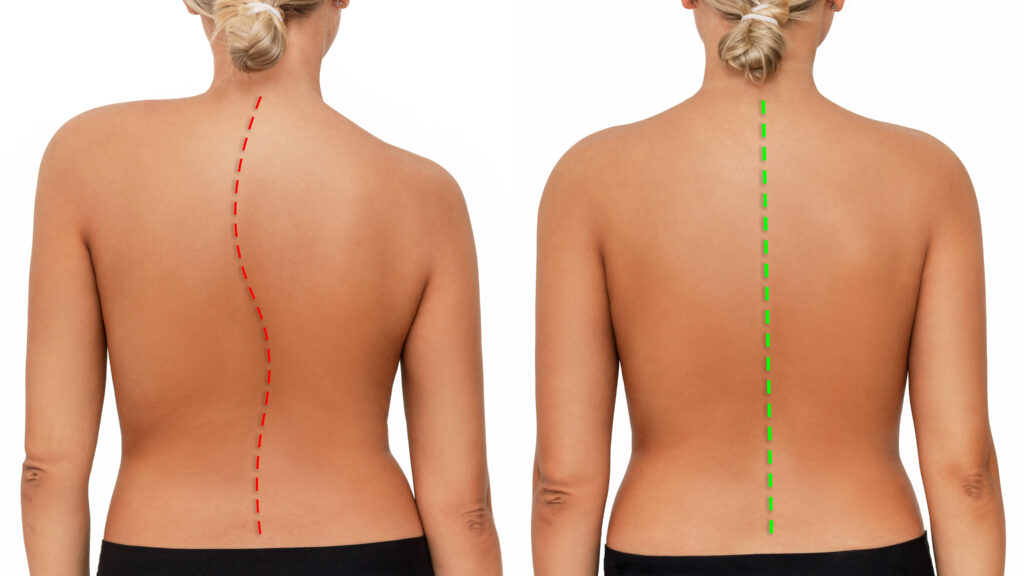
When you experience an injury, the strategy you adopt for recovery is crucial in helping you return to your best performance. It's not merely about taking time off; it's essential to recognize the complete range of what your body requires, including proper nutrition and the right physical therapy. Many people overlook the importance of mental resilience during recovery, but it can significantly influence your healing journey. Each component—physical, nutritional, and psychological—plays a vital role in your recovery, and understanding how to address them can considerably improve your timeline for healing. So, what specific actions can you take to enhance your recovery and ensure that you come back even stronger?
As a local chiropractor, I can guide you through natural healing methods that focus on the body's innate ability to recover. Chiropractic care can help realign your spine and joints, alleviate pain, and improve mobility, making it easier for your body to heal. Additionally, incorporating a balanced diet rich in anti-inflammatory foods and staying hydrated can support your recovery process. It's also important to engage in mental health practices, such as mindfulness or visualization techniques, to foster a positive mindset during your healing. Together, we can create a personalized recovery plan that addresses your unique needs and empowers you to return to your sport with renewed strength and resilience.
Understanding Your Injury
Understanding Your Injury from a Chiropractic Perspective
Injuries can feel like unexpected hurdles on your path to wellness, but gaining insight into them is crucial for effective recovery. As a chiropractor, I want to emphasize the importance of identifying the type of injury you're experiencing. Is it a sprain, strain, fracture, or something else entirely? Understanding the specifics of your injury is the first step toward appropriate healing and rehabilitation.
Pay close attention to your symptoms. Common signs such as swelling, pain, and restricted movement are key indicators of an injury. Keep a record of when these symptoms arise and what activities seem to exacerbate them. This information is extremely helpful when you consult with me or another healthcare professional, as it provides a clearer picture of your condition.
Next, let's consider the root causes of your injury. It's essential to explore whether it stems from overtraining, improper technique, or insufficient warm-ups. By recognizing these contributors, we can make necessary adjustments to your training regimen, ensuring that you're not pushing your body beyond its limits.
Together, we can reassess your workout intensity and frequency to promote a healthier approach.
Nutrition plays a vital role in your recovery process as well. Consuming the right nutrients supports tissue repair and helps reduce inflammation. Additionally, staying well-hydrated is crucial—proper hydration fosters overall recovery and enhances your body's natural healing capabilities.
Lastly, it's important to understand the recovery timeline associated with your injury. Each case is unique, and recovery times can vary significantly. By familiarizing yourself with what to expect, we can set realistic goals for your return to activity.
Empowering yourself with knowledge about your injury allows you to make informed decisions, paving the way for a smoother recovery and a stronger return to your active lifestyle.
As your chiropractor, I'm here to guide you through this process, utilizing natural healing methods to support your journey toward optimal health. Together, we can navigate your recovery and help you come back even stronger.
Importance of Rest and Recovery
As a local chiropractor, I want to emphasize the critical role that rest plays in your recovery process after an injury.
Taking the time to rest is essential not just for your physical healing but also for your mental well-being. When you allow your body the necessary time to repair, you're setting the stage to return even stronger than before.
Additionally, focusing on proper recovery can significantly reduce the likelihood of future injuries, which is a key aspect of maintaining your overall health.
Physical Healing Process
To fully recover from an injury, it's crucial to prioritize rest and recovery, especially when considering chiropractic care. Your body needs adequate time to heal, and pushing through pain can lead to further complications.
As a chiropractor, I emphasize that when you rest, you provide your muscles, tendons, and ligaments with the opportunity to repair themselves effectively. This healing process involves cellular regeneration, which is essential for regaining strength and mobility.
It's important to listen to your body. Pay attention to signs of fatigue or if an area of injury is aching more than usual. Ignoring these signals can delay your recovery and potentially worsen your condition.
Ensuring you get enough sleep is vital, as this is when your body does much of its healing work.
Incorporating gentle movements or pursuing physical therapy under professional guidance is also beneficial. These methods can stimulate blood flow and promote healing without the risk of overexertion.
Remember, recovery isn't solely about the physical aspects; it also involves giving yourself the grace to heal fully.
Mental Health Benefits
Rest and recovery are vital components not only for physical healing but also for maintaining your mental well-being. As a chiropractor, I frequently see patients who feel frustrated, anxious, or even depressed when sidelined due to injury. This is entirely understandable, but it's important to recognize that taking the time to rest allows you to process these emotions and can prevent them from escalating into more serious mental health concerns.
During your recovery, I encourage you to explore mindfulness and relaxation techniques. Simple practices like meditation or deep breathing are excellent tools to help manage stress and cultivate a positive mindset.
Additionally, engaging in light physical activities, such as walking or gentle stretching, can lift your spirits and provide a sense of accomplishment without overexerting yourself.
Furthermore, rest presents a unique opportunity to reassess your goals and motivations. It's a time to reflect on what you truly desire from your athletic journey and life in general. This introspective period can reignite your passion and determination, setting you up for a more robust return to your sport.
Ultimately, prioritizing mental health during your recovery process isn't just beneficial—it's essential. By taking care of your mind, you won't only enhance your chances of a successful return to your activities but also foster a healthier overall outlook on life.
As your chiropractor, I'm here to support you in this journey towards both physical and mental wellness.
Injury Prevention Strategies
As a local chiropractor dedicated to your health and well-being, I want to emphasize the crucial role that rest and recovery play in preventing injuries and enhancing your overall physical performance. Many believe that pushing through fatigue is a sign of strength, but this mindset can actually lead to overuse injuries and burnout. It's vital to listen to your body and recognize when it needs a break.
I encourage you to incorporate rest days into your routine, allowing your muscles and joints the necessary time to repair and gain strength. Active recovery is another important component of your wellness journey. Engaging in low-intensity activities such as walking, swimming, or yoga can promote blood flow, alleviate soreness, and help your body recover without adding extra strain.
Additionally, never underestimate the power of quality sleep. It plays a significant role in both muscle recovery and cognitive function, which are essential for optimal performance. Cross-training is another excellent strategy to consider. By incorporating a variety of activities into your routine, you can reduce repetitive stress on specific muscle groups, promoting overall balance and decreasing your risk of injuries.
Remember to prioritize stretching and proper warm-ups before your workouts to enhance flexibility and lower the chances of strains. Lastly, maintaining hydration and a balanced diet rich in nutrients is vital for supporting your recovery process.
Role of Physical Therapy
Engaging in chiropractic care plays a vital role in your recovery journey, especially after an injury. Your body requires specialized attention to heal effectively, and that's where chiropractic professionals come in. As a chiropractor, I assess your condition, identify specific areas of concern, and develop a personalized treatment plan tailored to your needs.
This individualized approach not only promotes healing but also works to restore your overall strength, flexibility, and coordination, ensuring you can return to your daily activities safely.
During our sessions, you'll engage in a variety of gentle adjustments and therapeutic exercises designed to address the affected areas and support surrounding muscles. These techniques not only facilitate healing but also help prevent future injuries by enhancing your overall physical well-being.
I'll guide you through each adjustment and exercise, ensuring you maintain proper form and perform movements safely.
In addition to adjustments, chiropractic care often includes other natural healing modalities such as soft tissue therapy, stretching, or lifestyle recommendations to alleviate pain and reduce inflammation. These approaches can expedite your recovery process and make it more comfortable.
It's essential to communicate openly with me about any discomfort or concerns you may experience during your sessions, as your feedback allows me to modify your treatment plan to better suit your needs.
Consistency is crucial in chiropractic care. Regular visits and adherence to any exercises or recommendations I provide will yield the best results.
Nutrition for Healing
As a local chiropractor, I want to emphasize how crucial nutrition is for your recovery after an injury.
When you're healing, it's important to focus on essential nutrients that support your body's natural recovery processes.
Don't overlook the role of hydration; staying properly hydrated is key to how effectively your body can heal.
By prioritizing proper nutrition and hydration, you can significantly influence the speed of your recovery and get back to the activities you love.
Essential Nutrients for Recovery
As a local chiropractor, I want to emphasize how integral proper nutrition is to your recovery from injury. The right nutrients can significantly expedite the healing process, and understanding which ones to focus on can make a real difference in your overall health.
First and foremost, let's talk about protein. This nutrient is vital for muscle repair and can help shorten your recovery time. I recommend incorporating lean protein sources into your diet, such as chicken, fish, beans, and legumes. These foods will support your body as it heals.
Don't forget about carbohydrates! They're essential for providing the energy needed for healing and maintaining strength. Make whole grains, fruits, and vegetables your primary carbohydrate sources. They not only provide energy but also come packed with other essential nutrients.
Healthy fats should also be part of your recovery plan. Omega-3 fatty acids, found in fatty fish, walnuts, and flaxseeds, are known for their anti-inflammatory properties, which can aid in your healing process.
Vitamins and minerals, particularly vitamin C and zinc, play a crucial role in collagen formation and boosting your immune system. To include these in your diet, think about adding citrus fruits, berries, leafy greens, and nuts—these are all excellent choices.
Lastly, don't underestimate the power of antioxidants, which are abundant in colorful fruits and vegetables. They help counteract oxidative stress, an enemy of recovery. By incorporating a diverse range of these foods into your meals, you're ensuring that your body gets a broad spectrum of nutrients necessary for healing.
Hydration's Role in Healing
As a local chiropractor, I want to emphasize the vital role hydration plays in your healing journey. Many individuals may not realize how much staying well-hydrated can significantly enhance your recovery process.
When you're dealing with an injury, your body requires extra support to mend itself, and water is a key player in that process. It helps with nutrient transportation, reduces inflammation, and keeps your joints moving smoothly.
Let's explore how proper hydration can positively affect your healing:
- Improved Circulation: Drinking enough water helps maintain your blood volume, ensuring that essential nutrients reach the damaged tissues efficiently. This is crucial for your recovery.
- Reduced Swelling: Adequate hydration can help minimize inflammation, which in turn can lead to a quicker reduction in pain and swelling. This is especially important when you're working through an injury.
- Enhanced Nutrient Absorption: Staying hydrated ensures that your body effectively absorbs the key nutrients you need for recovery, including proteins and vitamins. This is fundamental for healing.
- Joint Health: Water serves as a lubricant for your joints, which is particularly important when you're working to regain mobility after an injury. Keeping your joints well-lubricated can make a significant difference.
Mental Resilience Techniques
Building mental resilience is crucial for anyone, especially athletes, when it comes to recovering from injuries. As a chiropractor, I often see the importance of a strong mindset in the healing process. When facing setbacks, it's essential to develop a perspective that helps you navigate the challenges ahead.
One effective technique I recommend is visualization. Spend a few moments each day picturing yourself overcoming obstacles and achieving your recovery goals. Imagine yourself fully healed and returning to your sport. This mental exercise can enhance your overall healing journey and keep you motivated throughout the process.
Another helpful practice is positive self-talk. It's important to replace negative thoughts with affirmations that empower you. Instead of thinking, "I'll never recover," try telling yourself, "I am capable of healing and coming back stronger." This shift in language can significantly impact your mindset and resilience.
Setting small, achievable goals during your recovery is also beneficial. Break down the larger goal of returning to your sport into smaller, manageable milestones. Celebrate each little victory, as these reminders of progress can help you stay engaged and reinforce your resilience.
Incorporating mindfulness and relaxation techniques, such as meditation or deep breathing exercises, can assist in managing stress and anxiety. These practices help ground you in the present moment, allowing you to better cope with the emotional challenges that may arise during recovery.
Lastly, I encourage you to connect with supportive friends, coaches, or fellow athletes. Sharing your experiences and feelings can offer comfort and encouragement, reminding you that you're not alone in this journey.
Embracing mental resilience isn't just about enduring the tough times; it's about thriving through adversity and achieving a holistic recovery. As your chiropractor, I'm here to support you every step of the way, combining physical care with strategies that nurture your mental well-being.
Gradual Return to Activity
A gradual return to activity is crucial for ensuring a safe and effective recovery from injury, and as your local chiropractor, I want to emphasize the importance of this approach.
Jumping back into your sport too soon can lead to re-injury or setbacks, so it's essential to take the right steps during your recovery process. Here's how you can navigate this phase:
1. Listen to Your Body: It's important to pay attention to any pain or discomfort you might feel. If something doesn't feel right, please don't ignore it.
Remember, you're not just an athlete; you're an individual who deserves to heal properly. Your body has its own way of signaling when it's ready to move forward.
2. Set Realistic Goals: Begin with achievable targets that suit your current condition. Whether it's completing a short workout or participating in light drills, celebrate those small victories.
Each step forward is a testament to your resilience and commitment to recovery.
3. Incorporate Variety: Mixing up your activities can be beneficial. Engage in low-impact exercises such as swimming or cycling to maintain your fitness levels while minimizing stress on your injury.
This approach not only keeps your spirits high but also ensures your body stays active without pushing it too hard.
4. Seek Professional Guidance: Consulting with a chiropractor can provide you with invaluable support during your recovery.
We can help design a tailored program that aligns with your recovery needs and goals, ensuring that you're taking the safest and most effective path back to activity.
As you recover, remember that chiropractic care can play an integral role in supporting your healing process, helping to restore proper function and balance to your body.
Let's work together to ensure you return to your activities safely and effectively!
Preventing Future Injuries
As a local chiropractor, I want to share some essential strategies to help you prevent future injuries and enhance your overall athletic performance. Prioritizing prevention is key, and there are several natural methods you can incorporate into your routine.
First and foremost, it's important to adopt a balanced training regimen that includes strength, flexibility, and endurance exercises. This comprehensive approach not only improves your physical capabilities but also significantly reduces your risk of injury.
Always remember to warm up properly before engaging in any physical activity. Incorporating dynamic stretches and mobility drills can prepare your muscles and joints for the demands of your sport. Additionally, cooling down with static stretches after your workout aids in recovery and enhances flexibility, offering further protection against injuries.
Listening to your body is crucial. If you experience pain or discomfort, it's vital not to ignore these signals. Addressing them early can prevent more severe injuries later on. Establishing a routine that includes regular rest days is also important, as it allows your body the necessary time to recover and rebuild.
It's also worth focusing on proper technique and form in all your movements, whether you're running, jumping, or lifting weights. Executing these movements correctly minimizes stress on your body. If you're uncertain about your form, consider seeking guidance from a qualified coach or trainer.
Finally, don't underestimate the value of cross-training. Engaging in various activities can enhance your overall fitness and keep your body adaptable, which helps to prevent overuse injuries that often arise from repetitive motions in a single sport.
By integrating these prevention strategies into your training, you're not only promoting your athletic success but also ensuring a longer, healthier career.
As a chiropractor, I believe in the power of natural healing and prevention. If you have any questions or need assistance in implementing these strategies, feel free to reach out. Your well-being is my priority!
Conclusion
Injury recovery is not just about healing your body; it's a comprehensive journey that involves both physical and mental aspects. As your local chiropractor, I want to emphasize the importance of understanding your injury and how chiropractic care can play a vital role in your recovery. Prioritizing rest is crucial, but so is focusing on the right nutrition to fuel your healing process.
Incorporating chiropractic adjustments can help realign your body and alleviate pain, while physical therapy can further enhance your recovery. Additionally, practicing mental resilience techniques will support your overall well-being during this time. As you gradually ease back into your activities, I encourage you to adopt preventive measures, such as regular chiropractic visits, to protect against future injuries.
This is an ideal opportunity to not only heal but also to strengthen both your body and mind. Together, we can work towards ensuring you return to your activities stronger than ever. Embrace the journey of natural healing and let's make your recovery a successful one!